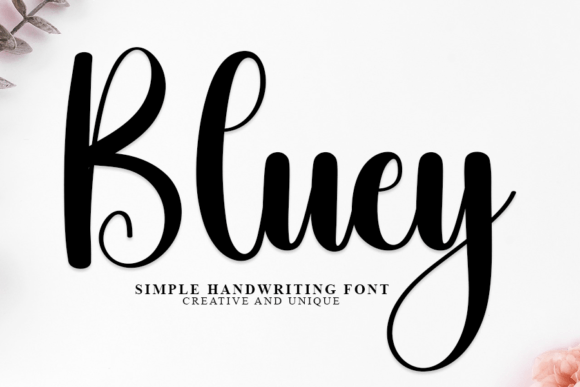
Bluey: A Handwritten Font That Feels Like a Friend
There’s a certain magic in a handwritten note. It carries a warmth, a personality, and a sense of immediacy that typed text often lacks. The Bluey font captures that magic perfectly. It’s not just another script font; it’s a carefully crafted typeface designed to bring a cool, unique, and genuinely human touch to your projects. Think of it as your digital penmanship, ready to add character to everything from a wedding invitation to a product label.
At its core, Bluey is a premium font that feels both relaxed and intentional. The letterforms have a natural, flowing rhythm with delicate, slightly uneven strokes that mimic the organic feel of ink on paper. It avoids the overly polished or rigid look of many digital scripts. Instead, it offers a balanced personality—approachable enough for casual projects yet refined enough for professional applications. The overall appeal lies in its authenticity; it doesn’t try to be something it’s not. This makes it a versatile creative font for designers, entrepreneurs, and creators who value genuineness.
Where Bluey Truly Shines: From Branding to Personal Projects
Understanding where a font works best is key to using it effectively. Bluey’s strength is in its ability to inject personality without overwhelming a design. It’s a fantastic display font for headlines and titles where you want to make an immediate emotional connection. Imagine it gracing the header of a lifestyle blog, the title of a cookbook, or the hero text on a small business website. Its handwritten nature instantly softens the digital experience.
In the world of brand identity, Bluey can be a secret weapon. For brands aiming for a artisanal, boutique, or personal feel—think local bakeries, craft studios, wellness coaches, or indie bookshops—this handwritten font can become a cornerstone of their visual language. Use it for logos, packaging design, and thank-you cards to build a cohesive and memorable brand that feels human-centric. It pairs exceptionally well with clean sans serif fonts or even a classic serif font for body text, creating a beautiful contrast that guides the viewer’s eye.
Beyond branding, its applications are wonderfully broad. It’s perfect for creating standout social media graphics that feel personal and engaging. For publishers and bloggers, it adds a touch of elegance to chapter titles, pull quotes, or newsletter headers. Crafters and hobbyists will find it ideal for designing custom stationery, scrapbook elements, or printable wall art. Even in commercial packaging design, a touch of Bluey on a label can communicate care and craftsmanship, telling a customer there’s a real person behind the product.
Making Smart Design Choices with a Script Typeface
Choosing a font like Bluey is just the first step. The real skill lies in how you implement it to enhance your project’s goals. A primary consideration is readability. While Bluey is designed for clarity, its handwritten style is best suited for shorter text blocks—titles, headings, logos, and callouts. For longer paragraphs of body copy, always opt for a highly legible sans serif font or serif font. Using Bluey for a full page of text would strain the reader’s eyes and undermine your message.
This leads to the art of font pairing. The most effective designs often combine typefaces with contrasting but complementary personalities. Try pairing Bluey with a geometric sans serif like Montserrat or a humanist sans serif like Open Sans. The clean lines of the sans serif will provide a stable, readable foundation, while Bluey adds a spark of personality and visual hierarchy. This contrast is a fundamental principle of modern typography and helps create a professional, polished layout.
Before committing to Bluey for a major project, take time to evaluate its fit. Does its personality align with your brand’s voice and your audience’s expectations? A playful, handwritten script might be perfect for a children’s brand but less suitable for a corporate law firm. Always test the font in context. Mock up a logo, design a social media post, or create a sample invitation. This practical test will reveal if the typeface supports your message or distracts from it. Also, review what’s included with the font file—does it offer stylistic alternates or ligatures that can add variety to your designs?
Finally, for any commercial use—whether for a client project, a product you sell, or a business website—ensure you understand the licensing. A commercial font like Bluey comes with specific terms that protect the designer’s work. Respecting these terms is not just a legal necessity; it’s part of supporting the creative ecosystem that produces high-quality design assets. By choosing the right font for the right job and using it thoughtfully, you transform simple text into a powerful element of visual communication that resonates, engages, and endures.